What is a UL94 V0 Certified Flame Retardant Material?
A UL94 V0 certified flame retardant material is a plastic or composite that, when exposed to a vertical flame test, stops burning within 10 seconds without releasing flaming drops that could spread the fire.
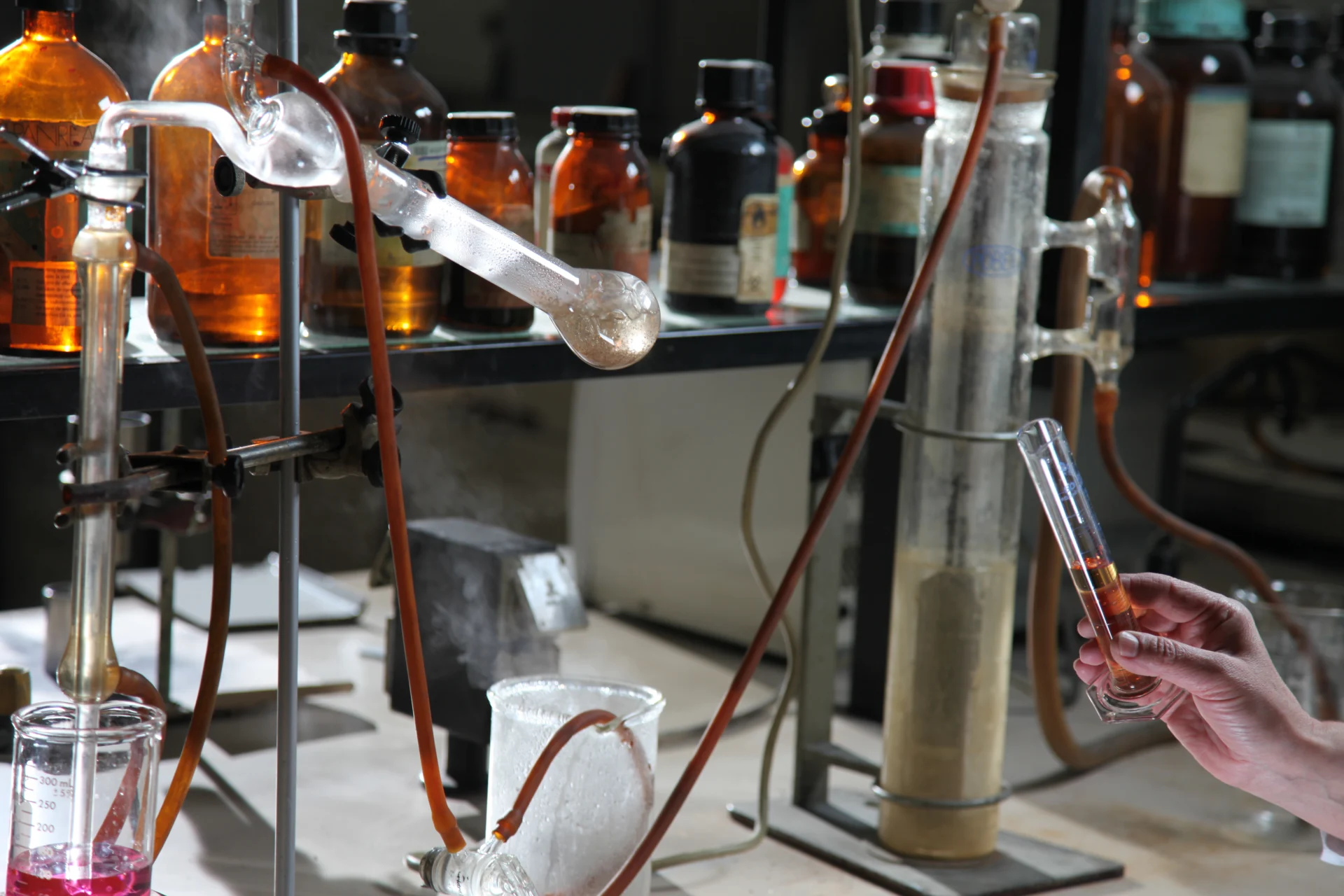
In polymer chemistry, phenolic resins (historically known as bakelite) stand out as thermoset plastics that inherently provide this resistance. Unlike conventional thermoplastics, their cross-linked molecular structure makes them highly heat resistant material and excellent electrical insulating material, both of which are critical for high-demand industrial environments.

Comparative table: Thermal & Safety Performance
The Fire Challenge in B2B Transportation Industries
In the automotive, aerospace, and rail sectors, reducing vehicle weight is a top priority to optimize energy consumption and sustainability. However, replacing metals with traditional plastics increases flammability risks.
To address this, flame-retardant additives are often incorporated; however, these can degrade the mechanical properties of the final product and introduce environmental risks. FENOQUÍMICA’s phenolic resins eliminate this issue: their flame resistance is an intrinsic property of their halogen free polymer matrix, guaranteeing safety without sacrificing lightweighting or structural integrity.
1. Automotive Industry and Electric Vehicles (EV)
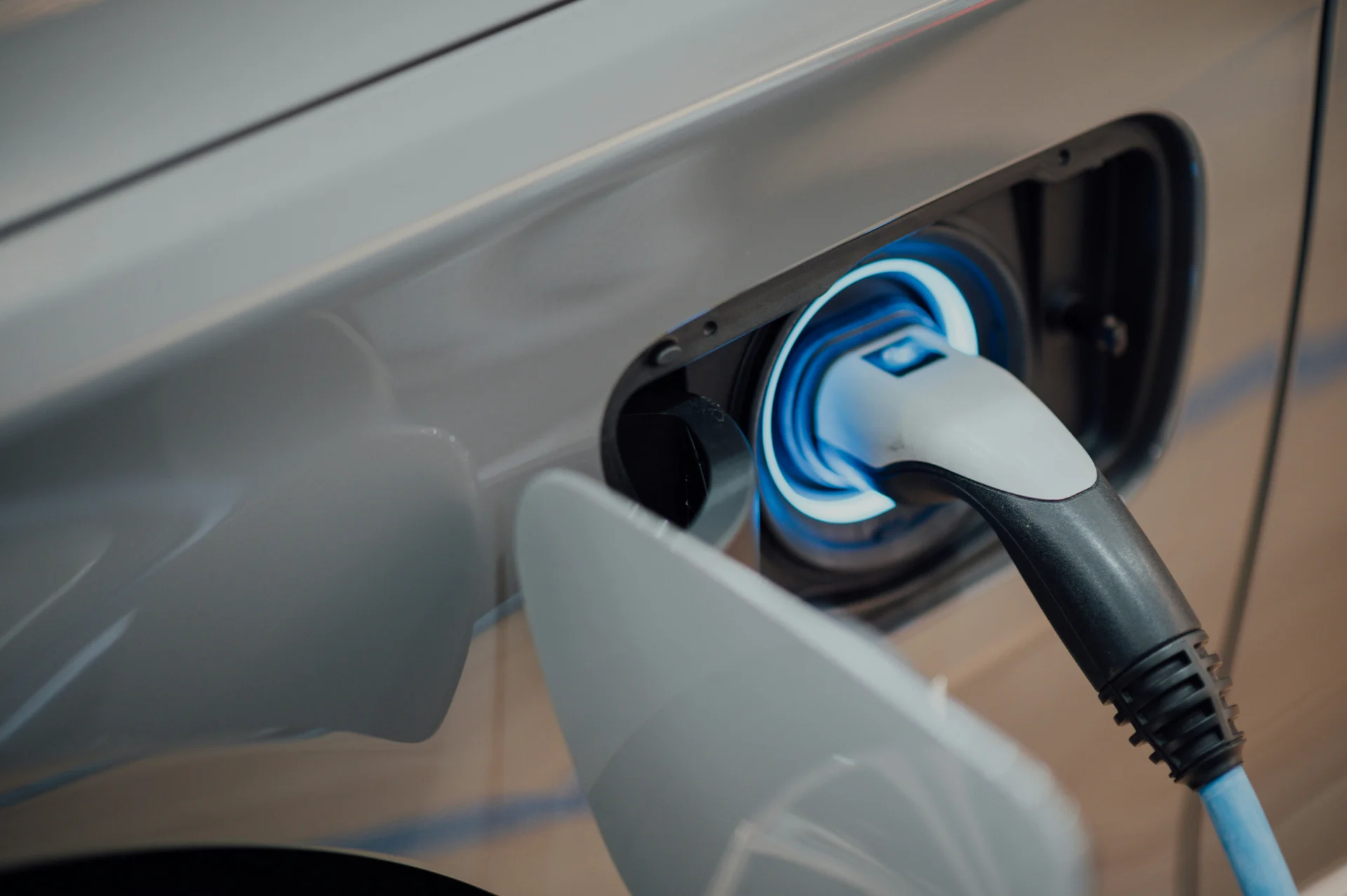
Traditional automotive manufacturing demands components capable of withstanding thermal stress in engine blocks, transmissions, and junction boxes. With the transition to electric vehicles, the need for electrical insulating material and thermal insulating material becomes even more critical. High-voltage battery packs and induction motors require effective thermal barriers to prevent thermal runaway, thereby protecting the vehicle’s electronics and passenger lives.
2. Aerospace and Aviation Sector
In enclosed aircraft cabins, fire propagation and toxic smoke generation represent the greatest threats during an incident. International civil aviation regulations are stringent. Phenolic resins not only act as a heat-resistant material, but they also record the lowest smoke density and toxicity indexes on the market, complying with the strictest aviation safety standards.
3. Rail Sector and Infrastructure
The global rail market is projected to maintain a steady growth of 5.5% annually until 2030, driven by investment in sustainable mass transit. Passenger safety in train cars, tunnels, and underground stations demands the use of bakelite and thermoset plastics in structural elements, catenary supports, and switchgear due to their self-extinguishing properties and zero flame propagation.
UL94 V0 Certification: The FENOQUÍMICA Guarantee
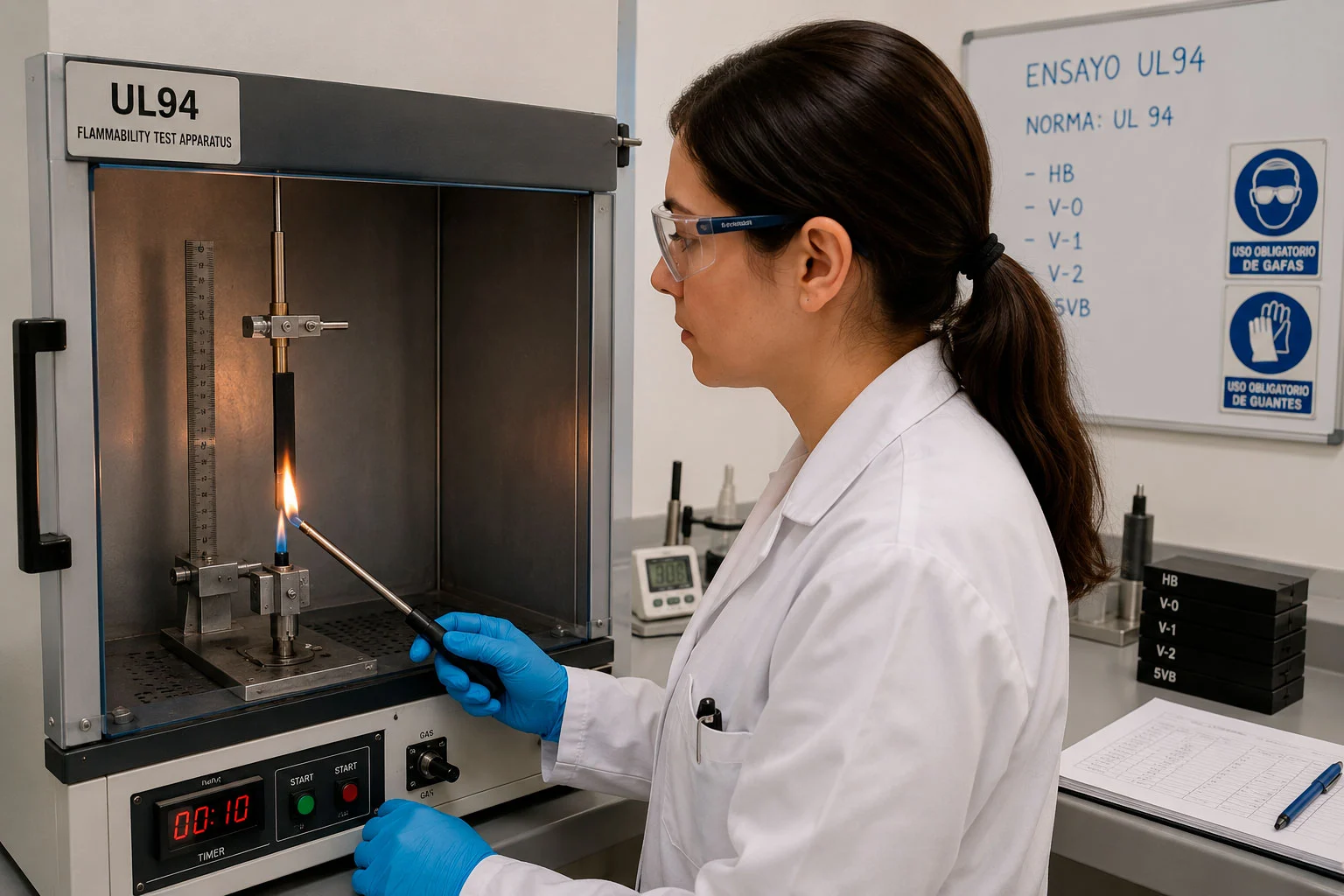
To ensure maximum performance in these applications, FENOQUÍMICA’s range of thermoset plastics undergoes testing under the UL94 standard (Underwriters Laboratories), the global benchmark for the flammability safety of plastic materials.
Our formulations are certified to the highest UL94 classification: V-0. This certification demonstrates that the material consistently meets the stringent requirements of the world’s leading OEMs and industrial specifiers. This certification demonstrates that the material consistently meets the stringent requirements of the world’s leading OEMs and industrial specifiers.