There is one question we are often asked when talking about our work: What exactly does Fenoquímica do?
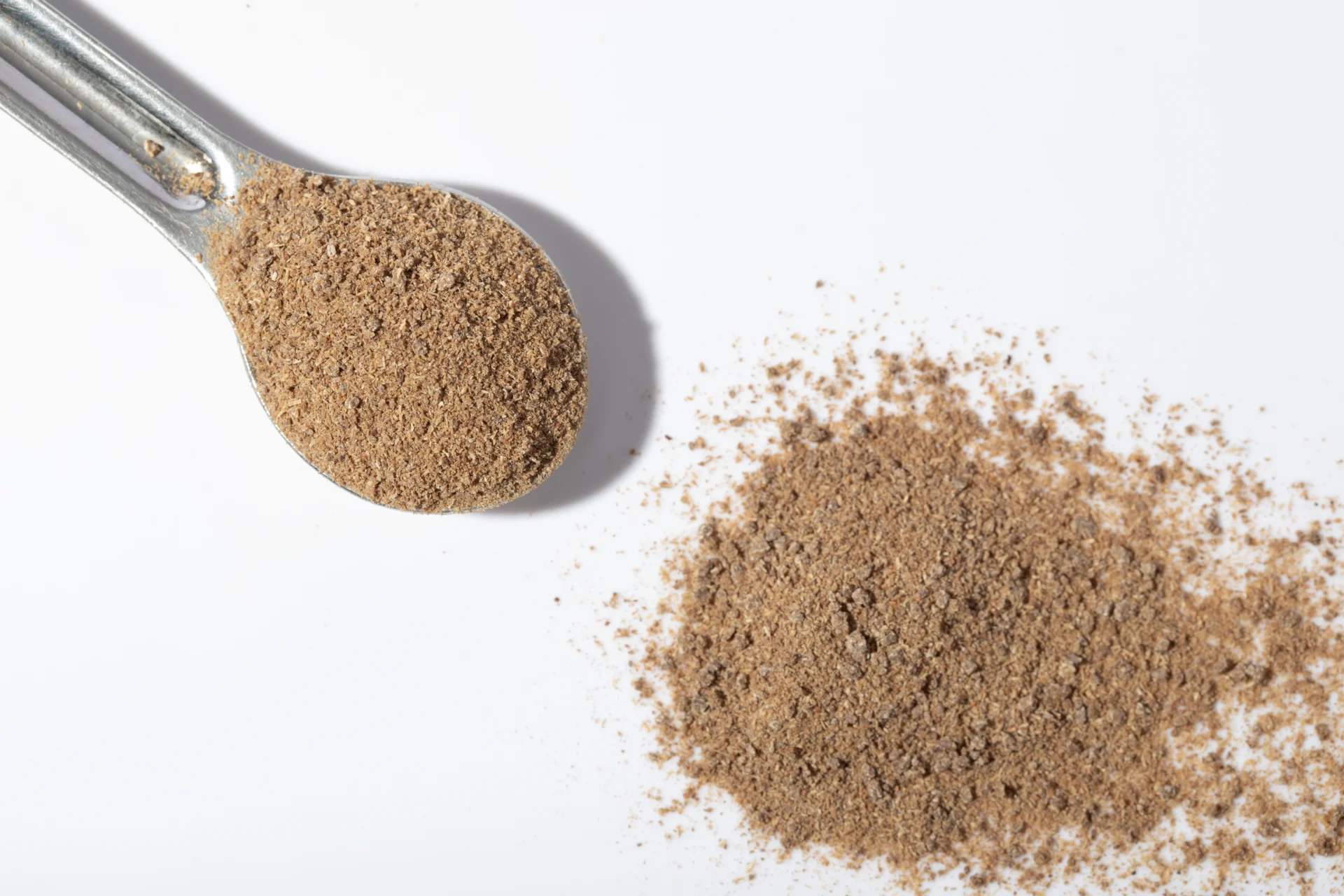
The simplest answer is that we formulate and manufacture thermosetting phenolic compounds. However, our work goes much further than that: we develop the materials used to manufacture a wide range of everyday objects and components, both in our homes and across various industrial sectors.
Bakelite, widely recognized as the first fully synthetic plastic, marked a turning point in the history of materials. Its introduction made it possible to manufacture durable, resistant, and affordable products, helping transform both society and industry.
From Households to Industry: Over 35 Years of Developing Phenolic Compounds
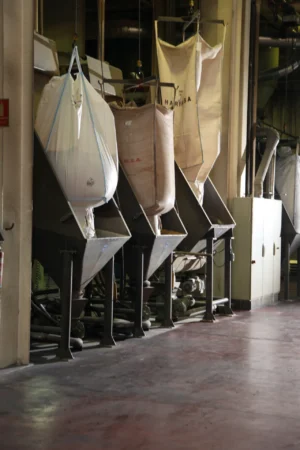
Fenoquímica was originally established as a supplier of phenolic molding powders to its parent company, Complementos Sanitarios. As a result, there is a good chance that products made with our materials can be found in many Spanish households.
From the 2000s onwards, we expanded our facilities and operations to begin formulating, developing, and marketing phenolic compounds for other manufacturers and industrial sectors.
Since then, we have focused on tailoring our materials to a wide range of applications, providing solutions with specific properties such as thermal and electrical insulation, mechanical strength, dimensional stability, and flame resistance.
But where exactly can these materials be found?
1. In the Kitchen: Safety, Resistance, and Durability
One of the areas where phenolic compounds are most widely used is the kitchen, both in domestic and industrial settings.
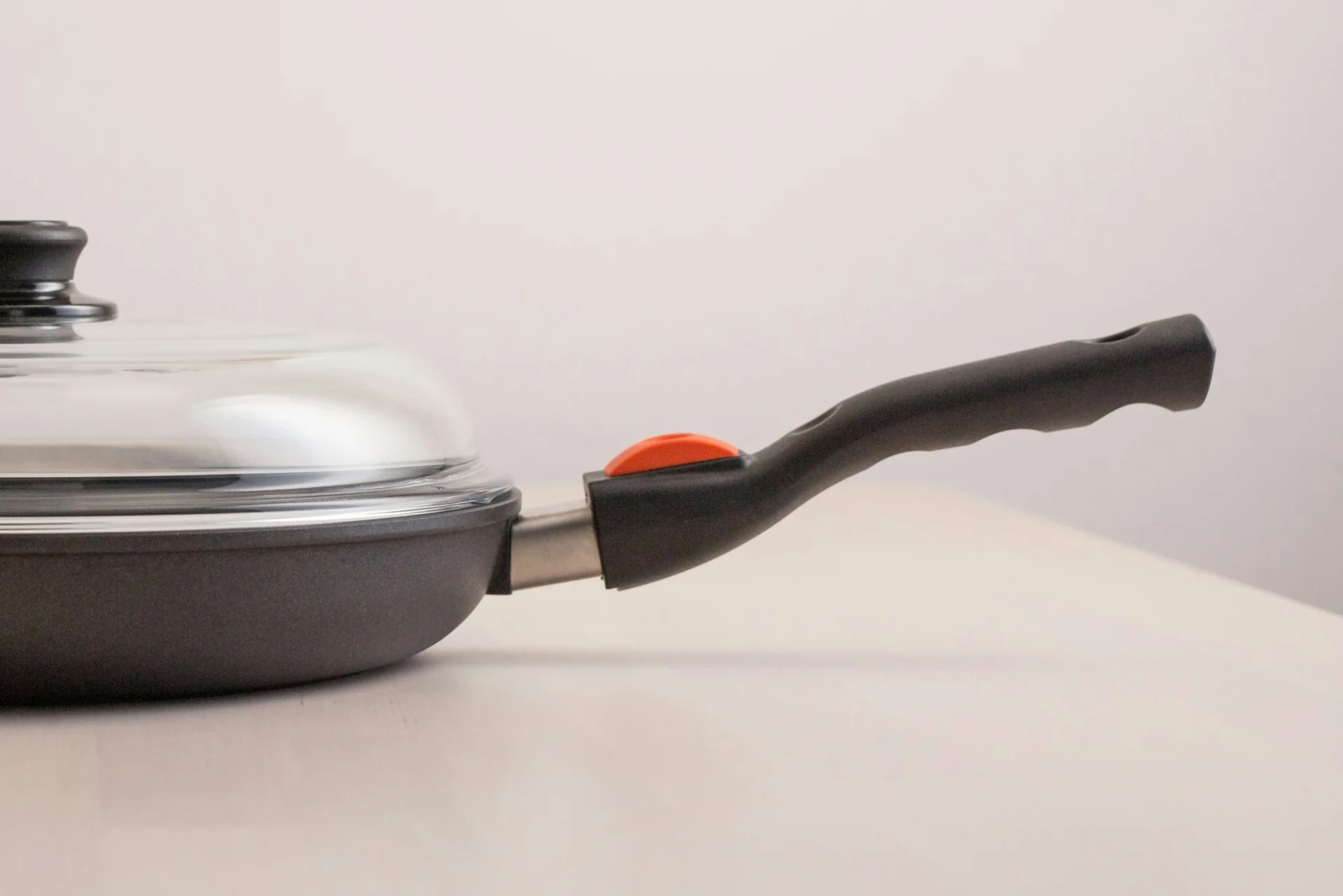
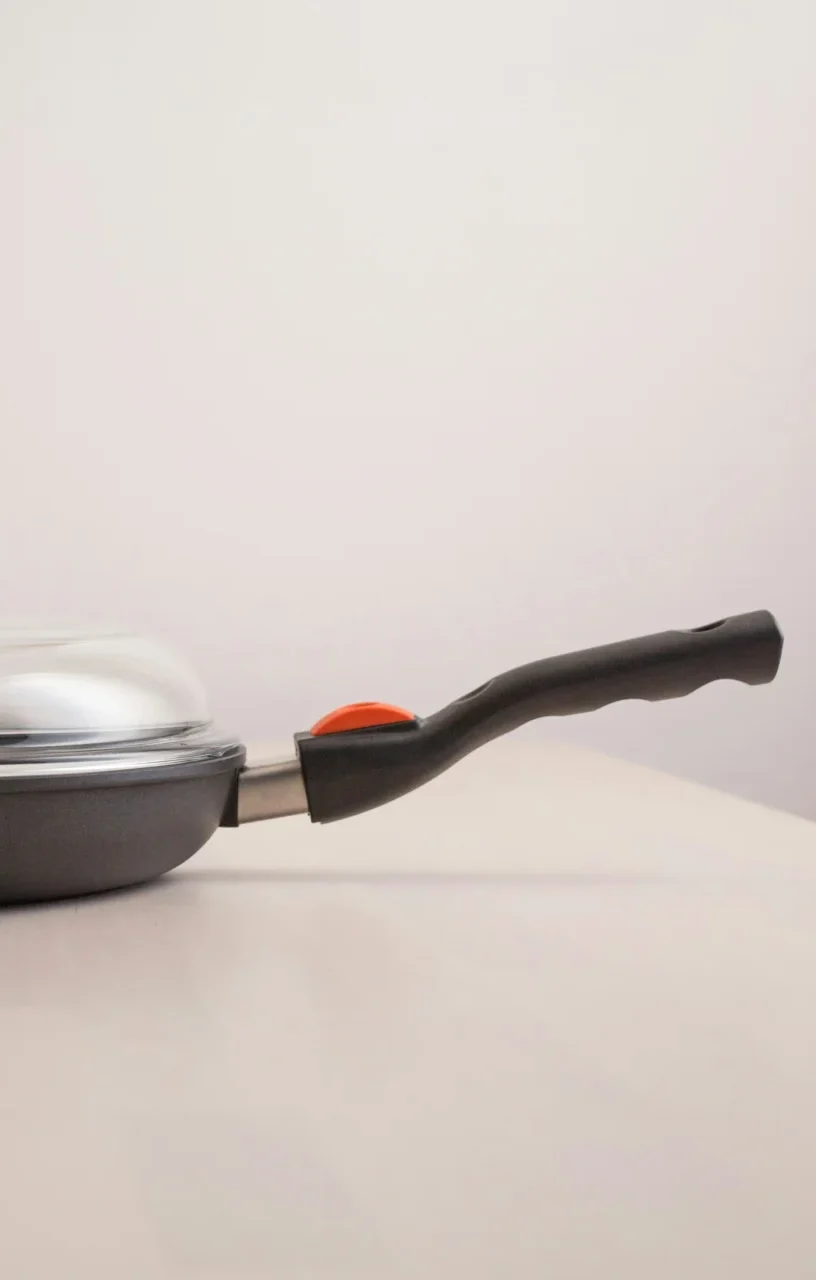
A familiar example is the handles of frying pans and other kitchen utensils. Fenoquímica’s thermoset plastics make it possible to manufacture components with excellent thermal insulation properties, preventing heat from being easily transferred to the gripping areas.
In addition, our formulations can provide high flame resistance, with UL 94 V-0 certification available for specific grades, and meet the requirements of EN 12983-1 for applicable applications.
But their presence in the kitchen does not stop there. Phenolic compounds can also be found in:
- Oven knobs and controls: thanks to their thermal and electrical insulation properties.
- Dishwasher components: due to their resistance to heat and steam.
- Extractor fans: for their performance in environments exposed to oils and grease.
- Appliance accessories and components: where strong, stable, and durable materials are essential.
In commercial kitchens, specific formulations with antibacterial properties are also available, designed for applications requiring high standards of hygiene and microbiological contamination control.
2. In Electrical and Electronic Systems: Protection and Reliability
Every time we switch on a light, plug in an appliance, or operate a switch, we may be using a component made from phenolic compounds.
Our materials are used to manufacture switches, lamp holders, miniature circuit breakers, and other electrical and electronic components.
Why are phenolic thermosets used in these applications?
The phenolic resins used in our formulations, particularly novolac-type resins, provide excellent dielectric properties, electrical insulation, thermal resistance, and dimensional stability.
These characteristics are complemented by the ability to develop formulations with flame-retardant properties and high resistance to flame.
This combination is particularly important in electrical and electronic components, where safety, reliability, and material stability are essential throughout the product’s service life.
3. In the Automotive Industry: Materials for More Efficient Vehicles
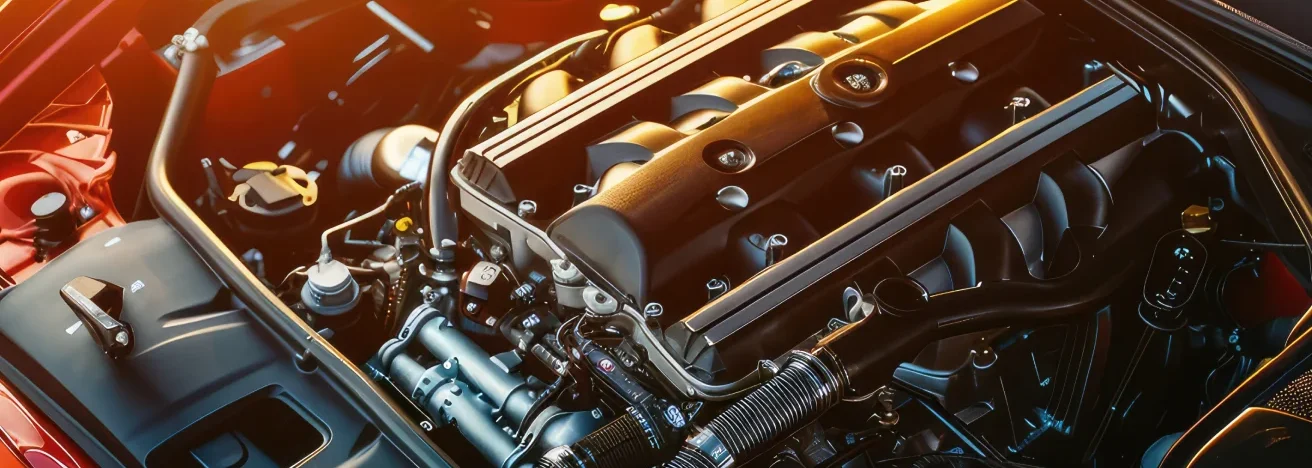
Thermoset plastics also play an important role in the automotive industry.
Although they are not usually visible to drivers, they are used in numerous components exposed to demanding conditions involving temperature, pressure, friction, and chemical agents.
Applications include sensors and brake system components, brake and clutch pistons, pulleys, rollers, timing system components, and relays.
Fenoquímica’s thermosetting materials offer several important advantages for this sector:
- Weight reduction: they can replace certain metal components with phenolic parts, helping reduce overall vehicle weight.
- Thermal resistance: they retain their properties in applications exposed to high temperatures.
- Chemical resistance: specific formulations offer resistance to automotive fluids such as oils, fuels, and brake fluids.
- Dimensional stability: they maintain their geometry and performance under demanding operating conditions.
- Durability: they make it possible to manufacture components designed for a long service life.
These properties make phenolic compounds an interesting technical alternative for developing lighter, more resistant, and more efficient components.
4. In the Railway and Aerospace Industries: Performance for Demanding Applications
The versatility of thermosets also makes them suitable for industrial sectors where technical requirements are particularly demanding.
Fenoquímica develops formulations for railway and aerospace applications, where properties such as thermal resistance, fire performance, electrical insulation, and dimensional stability are essential.
Each application requires a specific combination of properties and a formulation tailored to its operating conditions and applicable regulatory requirements.
5. Injection and Compression Molding: Materials Tailored to Each Process
One of the main advantages of Fenoquímica’s thermosetting molding powders is their processing versatility.
Our formulations are designed to suit different industrial processes, primarily injection molding and compression molding, as well as other forming technologies depending on the material’s characteristics.
This makes it possible to manufacture parts with complex geometries, good dimensional accuracy, and properties tailored to each application.
Furthermore, our in-house formulation capabilities allow us to develop phenolic compounds specifically adapted to each customer’s needs, taking into account both the technical requirements of the component and its manufacturing conditions.
The next time you pick up a frying pan, switch on a light, or drive your car, remember that behind many of these everyday products are thermosetting materials engineered to make our lives safer, more efficient, and more sustainable.
At Fenoquímica, we have been working to make this possible since 1989.