The history of Fenoquímica has been linked since its inception to that of its parent company COMSAN. The need to control and adapt the formulation of the phenolic molding compounds used in the manufacture of its toilet seats and covers, together with the circular business vision of its founder, led to the creation of Fenoquímica in 1989.
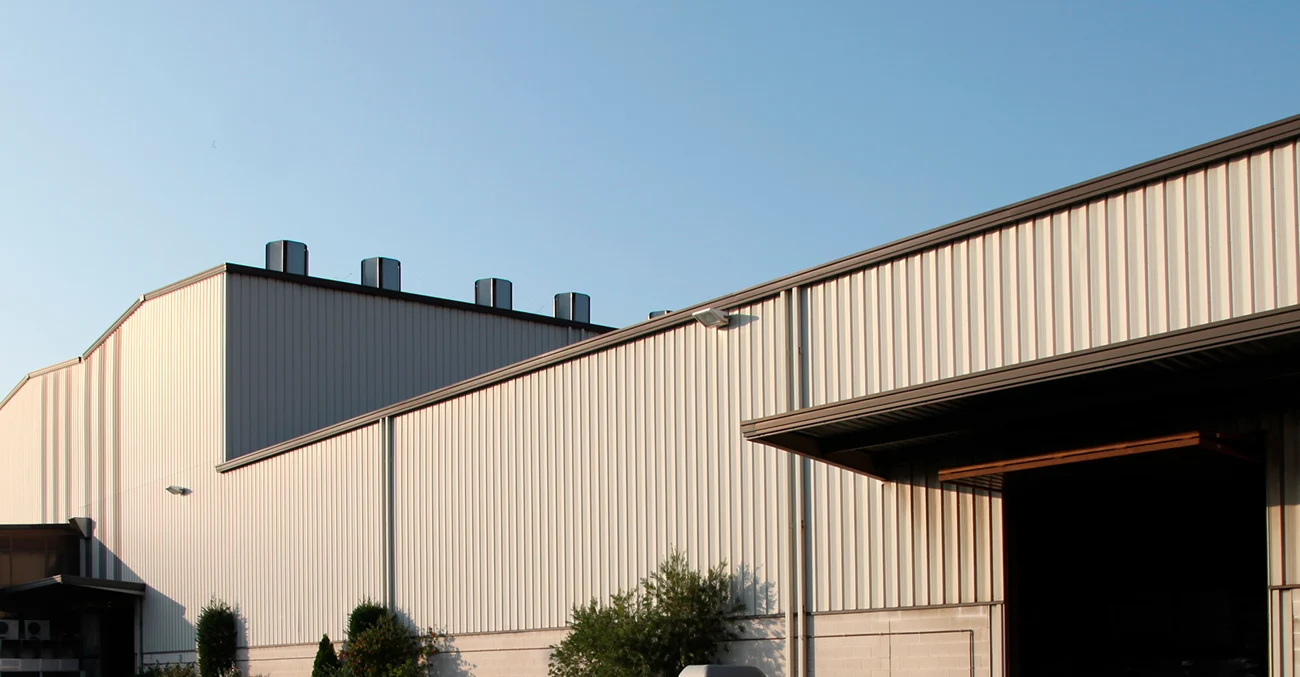
Since its establishment, quality has been a benchmark in the manufacture of Fenoquímica. While other producers of molding powders used less efficient methods (orbital mixers or calenders), Fenoquímica was firmly committed to extrusion, which not only improves quality, but also allows continuous manufacturing and in large batches. The installation of the FENO 1 plant in 1989 allowed the development of highly specialized formulas adapted for use in the preparation of toilet lids. This first plant, highly automated, has a capacity of 7,000 metric tons per year.

Sustainability linked to our DNA
Since its establishment, quality has been a benchmark in the manufacture of Fenoquímica. While other producers of molding powders used less efficient methods (orbital mixers or calenders), Fenoquímica was firmly committed to extrusion, which not only improves quality, but also allows continuous manufacturing and in large batches. The installation of the FENO 1 plant in 1989 allowed the development of highly specialized formulas adapted for use in the preparation of toilet lids. This first plant, highly automated, has a capacity of 7,000 metric tons per year.
Como muestra de nuestro compromiso con la sostenibilidad, en 2022 instalamos placas solares y desde 2024 fabricamos nuestro material con materia prima certificada PEFC. Además, en 2025 también certificamos mediante la certificadora externa SGS que el material tiene más de un 50% de origen biogénico.
Fenoquímica a European benchmark in the manufacture of phenolic molding compounds
In 2002, with more than 10 years of experience behind it, the FENO 2 plant was inaugurated. This new plant doubled Fenoquímica’s production capacity to more than 14,000 tonnes per year and allowed not only to supply the toilet lid factory but also opened the possibility of producing thermoset compounds to third parties, as it exceeded the previous facility in production capacity.
FENO 2 is not only capable of processing compression material but can also be adapted to injection-moldable materials and, among other advantages, has a final homogenization process that ensures the stability of batches in large quantities.
The extensive experience in extrusion of thermoset compounds together with a highly specialized technical team, have made Fenoquímica a European benchmark in the manufacture of phenolic molding compounds.
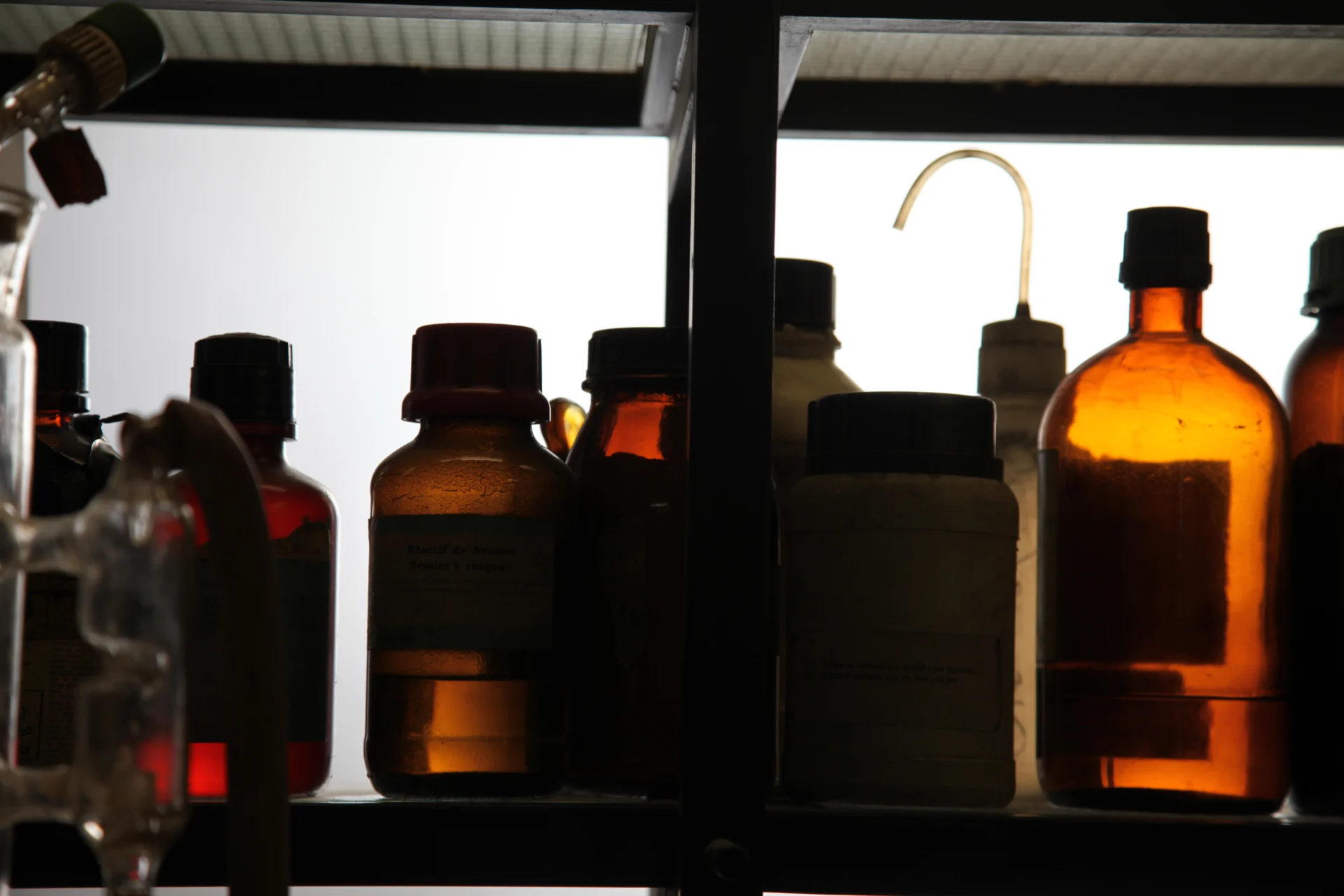
Fenoquímica, leading the way in research and development of thermosetting phenolic compound formulations
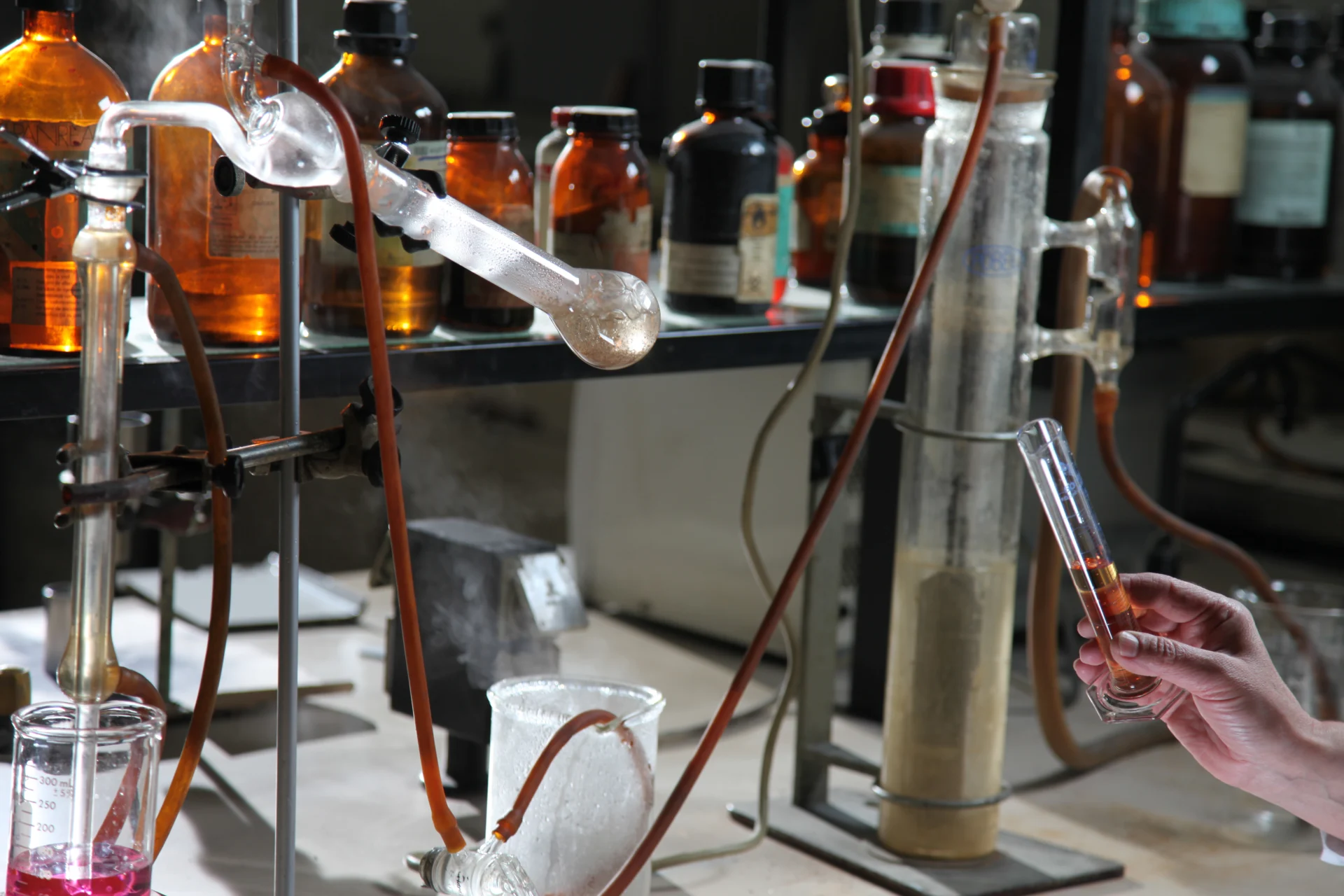
Along with quality and sustainability, innovation is another of Fenoquímica’s pillars. Since the creation of the plant, a laboratory has been set up to carry out quality control of raw materials and finished products. This laboratory has been growing with the best technology available at the time. Thus, in the mid-nineties, an extrusion pilot plant was acquired to be able to develop new compounds or simulate mixing-extrusion-grinding processes before their industrial implementation.
This facility, in addition to the acquisition and renovation of gas chromatography instruments, resin analyzers, impactometers and plastographs, places the Fenoquímica’s technical team at the forefront of research and development in the formulation of thermoset phenolic compounds.
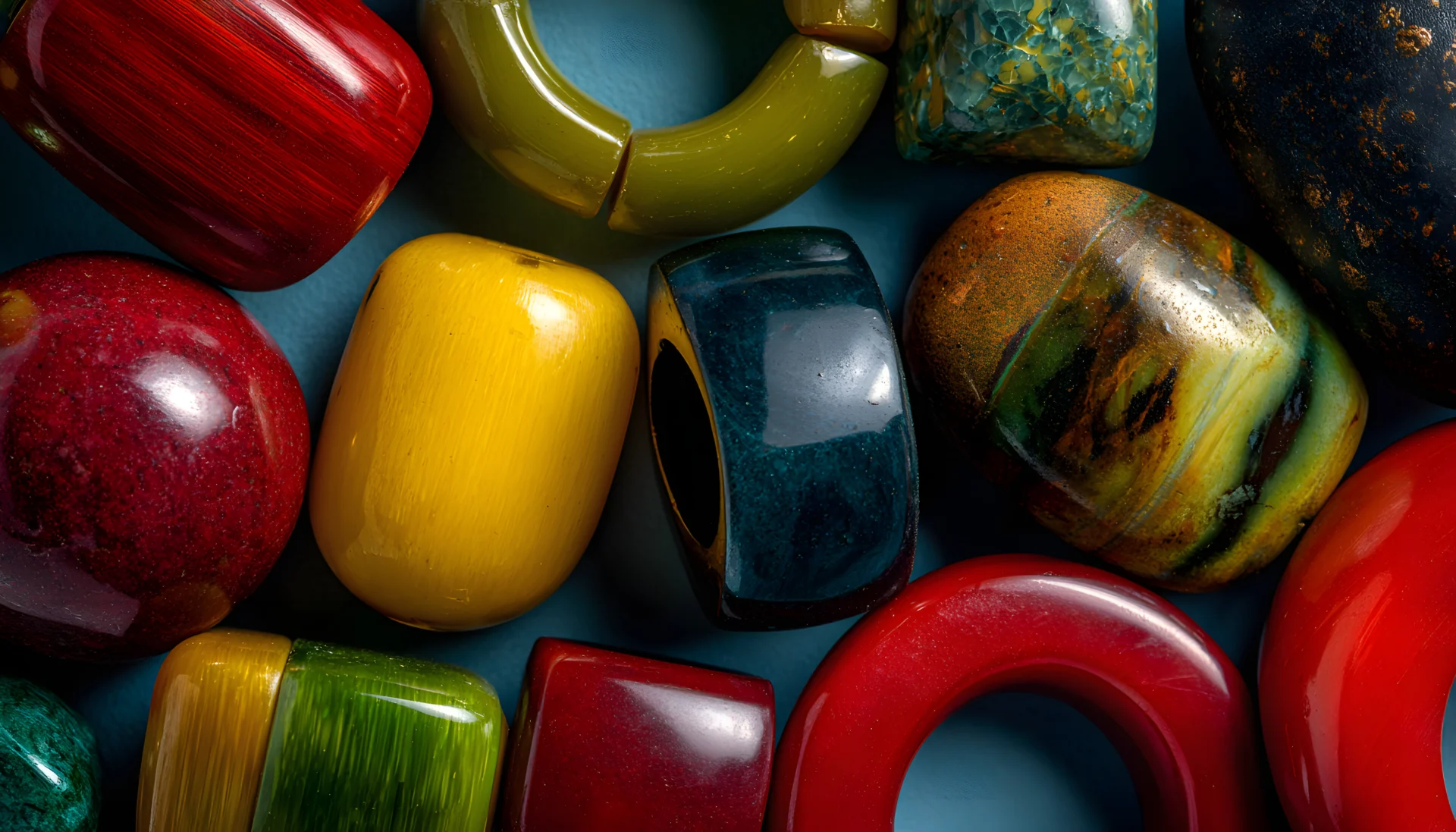
Recently, Fenoquímica has decided to expand its catalogue of specialties to adapt to the new needs of society. From automotive and aeronautics to consumer electronics, through everyday applications such as pan handles and switches, and it has done so on the pillars that have marked its entire history; quality, sustainability and innovation. Using recycled materials that help minimize environmental impact, but maintaining the highest quality standards in mechanical, thermal and processability properties.