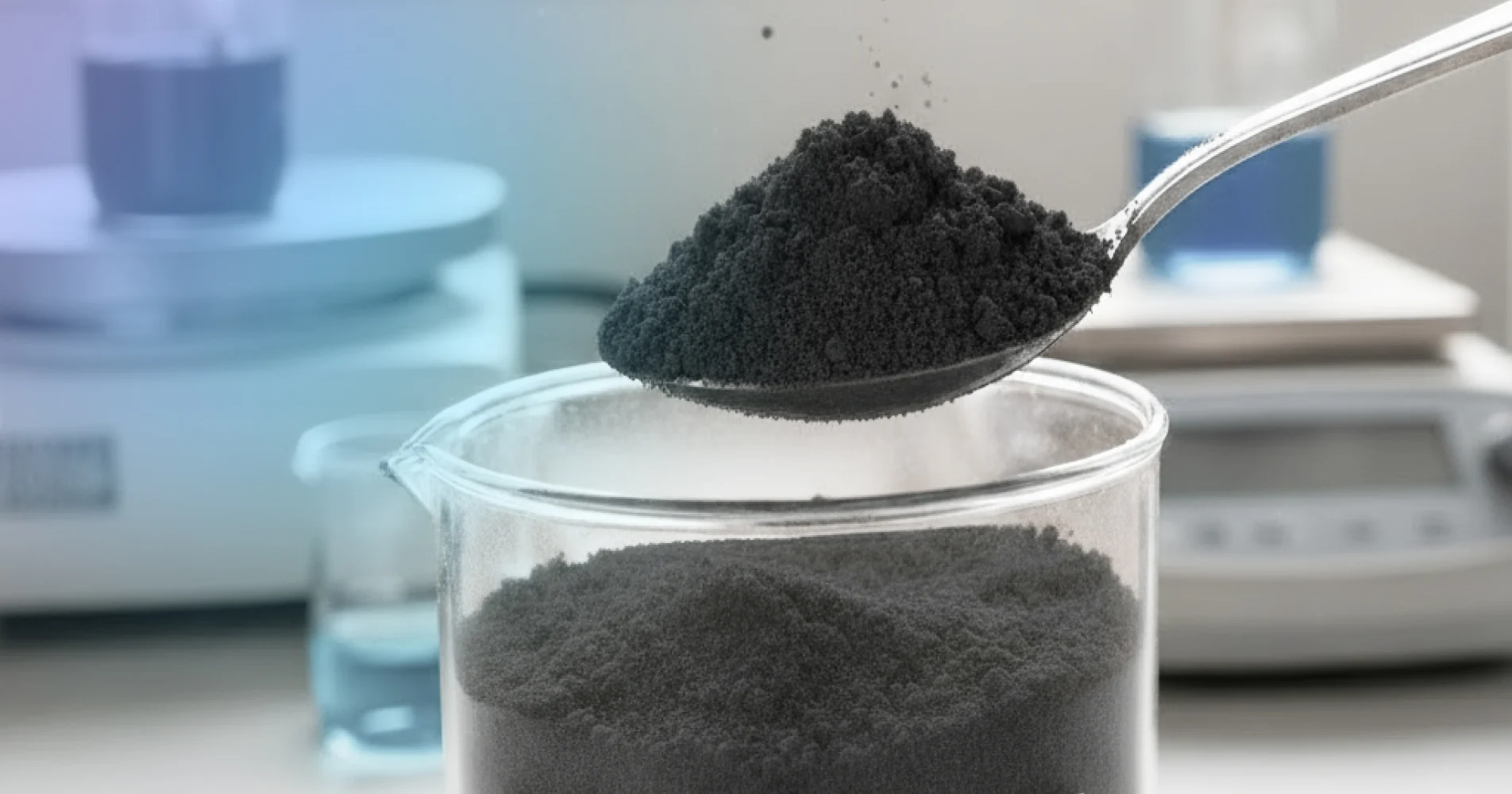
FenoquĂmica’s thermoset molding powders, formulated with phenolic or phenol-formaldehyde resins, deliver high performance against the technical and regulatory challenges of sectors such as automotive, rail, aerospace and electric mobility.
Thanks to their novolac phenolic base and reinforcement with glass fiber, carbon or graphite, these materials enable the production of lightweight, complex and precise parts that combine stiffness, thermal and electrical insulation, flame resistance, and resistance to automotive fluids such as oils and coolants.
FenoquĂmica’s molding powders stand out for the unique properties of their phenolic resin, including high thermal stability, abrasion resistance and low toxicity, and are also available as UL 94–certified materials with flame-retardant composite behavior. Their versatility allows them to be processed by powder injection molding, compression or transfer molding, delivering high-performance materials for critical automotive applications such as electrical components, structural parts and power electronics used in electric mobility.
Available in a wide range of grades to suit injection, compression or transfer molding processes, FenoquĂmica’s products can be easily molded into complex shapes and precise contours.
Their formulation can be tailored to customer requirements by adding specific properties for the end use, enabling a wide range of applications in high-performance materials and fiber-reinforced composites.
If you are wondering what phenolic resin is or where to buy molding powder, FenoquĂmica provides specialized technical support to help you select the most suitable formulation for each application.
At FenoquĂmica, we are committed to responsible and sustainable production as part of our industrial strategy. We have the technical capability to recycle our customers’ own scrap and reintegrate it into the production process, reducing the environmental impact of surplus materials or defective parts that would otherwise end up in landfill.
In addition, we develop raw material recovery projects—such as for glass fiber, carbon, textiles and rubber—that allow us to give industrial materials a new life and close the loop, while also ensuring the technical quality of our compounds.
We also make use of surplus materials from the wood and food industries as raw materials, reinforcing our commitment to resource efficiency and to reducing environmental impact across the entire value chain.
To provide the best experiences, we use technologies like cookies to store and/or access device information. Consenting to these technologies will allow us to process data such as browsing behavior or unique IDs on this site. Not consenting or withdrawing consent, may adversely affect certain features and functions.